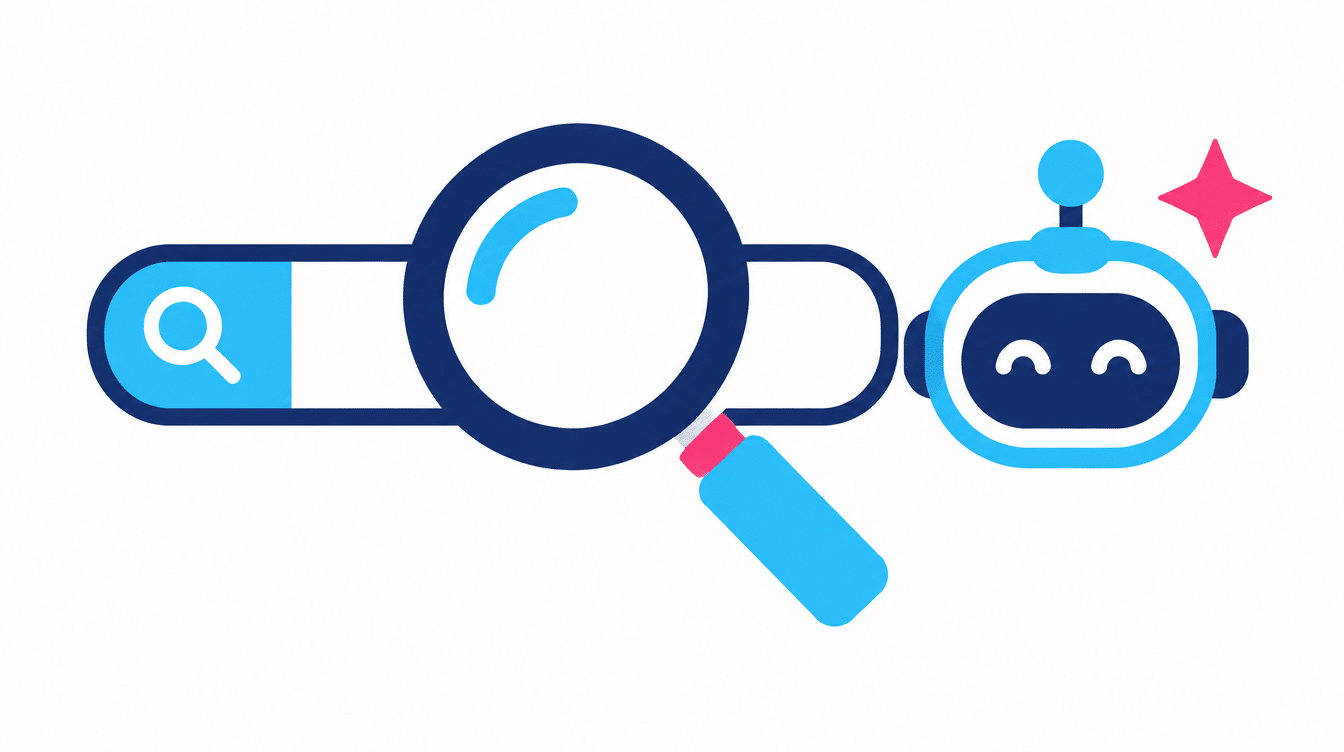
Google search doesn’t look the way it used to. Instead of a list of links, the top of the page often shows an answer Google puts together on its own with AI. People no longer just type “plumber Tel Aviv.” They ask a full question, or skip Google and go straight to ChatGPT. All of this changes how customers find a business. SEO in 2026 is about exactly that: making sure both Google and the AI engines point people to you.
What actually changed in search
Three things moved hard over the past year. First, Google shows an AI answer at the top of the page (the AI Overview), and it builds that answer from existing websites. Second, people search in natural language, with long questions, the way they talk. Third, some searches don’t happen on Google at all. They go straight to ChatGPT, Gemini or Perplexity. The result: fewer clicks on just any result, but the people who do reach you are more focused and closer to buying.
So is SEO dead?
The opposite. For most businesses, organic search still brings the biggest share of traffic and the most valuable customers, because they’re looking for you out of a real need. What changed is the goal. We used to want to show up first on the list. Today you want to be the source Google and AI choose to cite. That takes content that actually answers the question, not one more generic page that repeats a keyword.
What Google and AI engines look for on your site
The rules for 2026 are simpler than they seem. These are the things that really move your position:
Write for Google and for AI engines
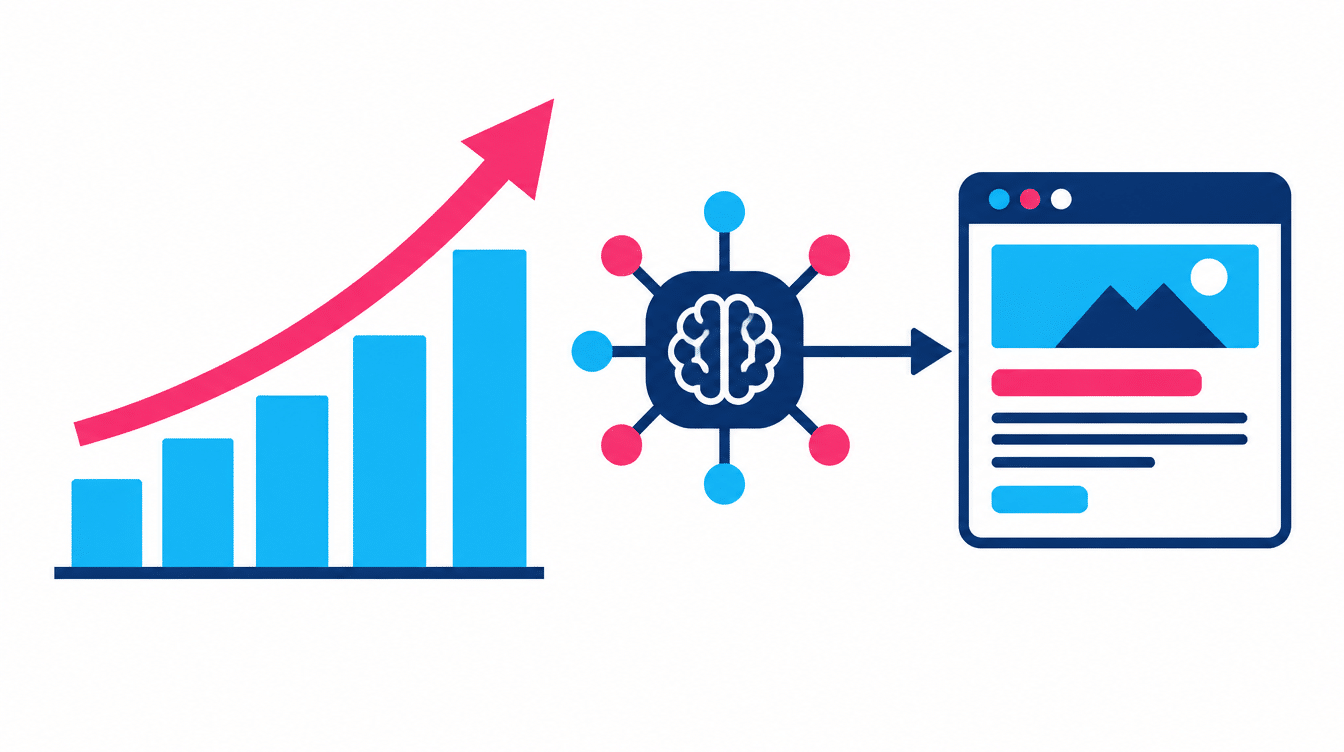
Next to classic SEO, a new field has grown up called GEO: optimizing for the AI engines themselves. The idea is simple. Phrase your content so it’s easy to quote: short, clear sentences, direct answers, facts that can be pulled out. We covered this in depth in our guide to getting ChatGPT to recommend your business. The good news is that the same good page, built the right way, works on Google and with AI. That’s exactly what we build in organic SEO.
Mistakes that cost you in 2026
How we work at DreamZone
We don’t start with writing. First we check what your business already shows up for on Google, what people in your field are really searching for, and where there’s a real chance to rank high. From there we build content that answers the questions that matter, fix the technical side of the site (speed, structure and schema), and connect it all to your campaigns and automation so each channel strengthens the others. That way you don’t just climb on Google, you also become a source AI cites. Want to see where you stand today? Visit our organic SEO page or talk to us.
FAQ
Is AI killing SEO?
No, it’s changing it. For most businesses, organic search still brings the most valuable traffic. Today you just need to write for readers and for AI engines.
What is an AI Overview and why should I care?
It’s the AI answer Google shows at the top of the page. It relies on existing websites, so if your content is clear and focused, there’s a good chance Google will cite you. That’s exposure even when nobody clicks a link.
Do I need separate content for Google and for ChatGPT?
No. One good page, built the right way, works in both places. The difference is in the phrasing: short, clear answers that are easy to pull out and quote.
How long does it take to see results from organic SEO?
Usually a few months. It’s not an instant channel like paid advertising, but what you build stays and keeps working over time without paying for every click.
Can I just rely on AI to write my content?
A tool like ChatGPT helps you get started and write fast, and that’s completely legitimate. But content that comes straight out of AI, with no editor who knows the field and no real fit to the business, comes out generic, and that’s exactly what Google demotes in 2026. The right mix: AI writes the draft, and a person adds the expertise, sharpens it and edits. That’s how we work.
I have a small site. Is this even relevant to me?
Very. A small business can actually rank high on focused questions the big competitors don’t bother answering. It’s one of the places where smart SEO gives you a real edge.
Want to show up on Google and in AI answers?
We’ll check where you stand today and what’s worth focusing on, then build organic SEO that fits the way people search in 2026. Leave your details and we’ll get back to you.

Dan Komem is the founder of DreamZone, an Israeli digital agency operating since 2015. He holds a BA from Reichman University and has 25 years of experience in web development and marketing. He specializes in website development, SEO, paid advertising on Google and Meta, AI-powered marketing automation and analytics, and helps businesses build a digital presence that brings in customers.
Dan Komem on LinkedIn →